



Scaffolding can look safe from the ground… but that doesn’t always mean it is safe to use.
Weather, heavy use, alterations, and accidental damage can all affect a scaffold after it has been installed.
That is why a scaffold inspection matters. It helps spot visible risks before they put workers, property, or the public in danger.
For homeowners, site managers, landlords, and contractors, visual checks are a simple way to stay alert.
They can help prevent unsafe access, avoid delays, and give everyone more confidence before work begins.
What Is a Scaffold Inspection?
Simply put, a scaffold inspection is a check of the structure to make sure it is safe, stable, and suitable for use.
It looks at the condition of the scaffold – including platforms, guardrails toe boards, ties, bracing, access points and the ground beneath it.
What’s the aim? Simple – to find anything that could affect safety.
A visual inspection does not need to be complicated. It is about asking one clear question: Does anything look unsafe, damaged, loose, missing or out of place?
Why Are Scaffold Inspections Important?
Scaffolding is used because people need to work at height. That makes safety the priority.
A proper scaffold inspection helps reduce the risk of falls, slips, trips, structural issues and then some. It also helps make sure that workers have safe access to the area they need to reach.
Inspections are also important because scaffold conditions can change. A structure that was safe when installed may be affected by the likes of wind, rain, impact, misuse or unauthorised changes.
For busy domestic and commercial projects, this matters. A small problem with scaffolding can quickly lead to stopped work, extra costs and avoidable stress.
The main takeaway: Regular checks help keep the project moving safely.
When Should Scaffolding Be Inspected?
To put it bluntly, scaffolding should be checked before it is first used. Why? As this helps make sure the structure has been installed correctly – and more importantly, is safe for workers to access.
It should also be inspected regularly while it remains in place. On construction projects, formal inspections are usually required at least every seven days until the scaffold is removed.
xtra checks are also needed when something may have affected the scaffold’s safety. This includes:
- Strong winds
- Heavy rain
- Storms
- Scaffold alterations
- Impact from vehicles, equipment, or materials
- Signs of movement or damage
- Long periods without use
In simple terms… if anything could have changed the scaffold’s condition, it needs to be checked before anyone uses it again.
What Should You Check During a Visual Scaffold Inspection?
A visual scaffold inspection should focus on obvious signs of risk.
A good place to start is by looking at the base of the scaffold. Check whether the ground looks stable, whether the base plates are secure, and whether anything appears to have shifted.
Then pivot and look at the working platforms. Boards should look secure, level, and free from damage. They should not be loose. Or cracked or damaged, for that matter.
Guardrails and toe boards should also be checked. These help protect people from falls and prevent tools or materials from falling from height.
And don’t forget access points – they matter too. Entry points should be clear, secure, and safe to use. If access is blocked, unstable or poorly positioned, it can create unnecessary risk.
Other warning signs include:
- Missing boards
- Gaps in platforms
- Loose fittings
- Damaged bracing
- Missing guardrails
- Debris on platforms
- Unstable ladders
- Visible leaning or movement
- Unauthorised changes by other trades
The golden rule: If something does not look right, do not ignore it. Stop use and arrange for the scaffold to be properly checked.
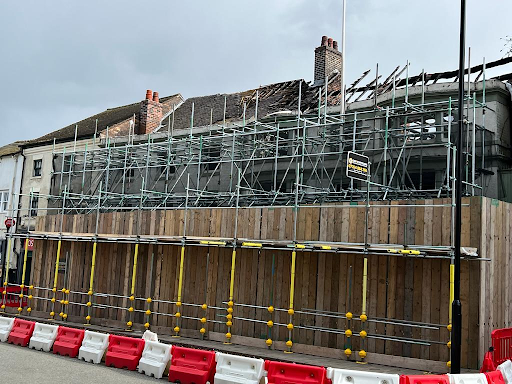
What Happens If Scaffold Inspection Is Ignored?
Don’t be a rebel – ignoring a scaffold inspection can have serious consequences.
The biggest risk is injury. If scaffolding is unstable or damaged, workers and the public may be exposed to avoidable danger.
There is also a project risk. Unsafe scaffolding can stop work, delay trades, and create extra costs. A job that should have been straightforward can quickly become more stressful.
For commercial sites, poor scaffold safety can also affect staff, visitors, customers, and nearby members of the public. For domestic projects, it can put homeowners, neighbours, and contractors at risk.
There may also be legal, insurance and compliance issues if scaffolding has not been inspected properly.
Again, the main takeaway, inspection is not just paperwork. It protects your peace of mind – as well as people and your invaluable time.
Why Visual Checks Do Not Replace a Professional Inspection of Scaffolding
Ok, let’s be honest – visual checks are useful, but they are not a replacement for a formal inspection of scaffolding by a competent person.
Of course, a visual check can help spot obvious problems. For example, a missing guardrail. These checks are important because they help people notice risks early.
However, a professional inspection looks deeper. It considers whether the scaffold has been erected, altered, and maintained correctly. It also helps confirm whether the structure remains safe for use.
This is why both matter.
A visual check helps you stay alert day to day. A formal inspection of scaffolding gives the proper level of safety assurance when it is required.
If you have any doubt… the scaffold should not be used until it has been checked by someone competent.
How One 9 Scaffolding Supports Safe Scaffolding Projects in Manchester
One 9 Scaffolding provides professional scaffolding services for domestic and commercial projects across Manchester.
That means supporting different types of work, from roof repairs and home extensions to commercial refurbishments and construction access.
For weather-sensitive roofing work, temporary roof scaffolding in Manchester can help protect the building while giving contractors safer access to complete the job.
Each project needs scaffolding that is planned, installed and managed with safety in mind. That’s a promise.
Safe scaffolding is not just about putting up a structure. It is about understanding the site, the people using it, and the risks around it.
For homeowners, that means confidence that contractors can access the property safely. For site managers, it means fewer doubts before trades begin work. For commercial clients, it means safer access with less disruption to the project. We cater to everyone!
One 9 Scaffolding can support projects where reliable access, clear planning, and safety-focused scaffolding are essential.
If you are still at the planning stage, our guide on how to hire scaffolding explains what to expect before booking, from getting a quote to arranging safe installation.
Scaffold Inspection FAQs
How often should scaffolding be inspected?
Scaffolding used for construction should be inspected before first use and then at least every seven days while it remains in place. It should also be inspected after anything that could affect its safety.
Who can carry out a scaffold inspection?
A formal scaffold inspection should be carried out by a competent person. Now what is a ‘competent person’?
This means someone with the right knowledge and experience to identify risks and decide whether the scaffold is safe to use.
Don’t get us wrong, homeowners, contractors and site managers can still carry out basic visual checks, but these do not replace a professional inspection when one is required.
Should scaffolding be checked after bad weather?
Yes. Strong wind, heavy rain and storms can affect scaffold safety. Even if things look fine at first glance, bad weather can wreak havoc on components, move boards or affect stability… so always check your scaffolding after severe weather.
What are the most common scaffold safety issues?
Common issues include:
- Loose boards
- Missing guardrails
- Unstable access
- Damaged ties
- Debris on platforms
- Poor ground support
- Unauthorised alterations
At face value, these issues may seem small, but they can create serious risks when people are working at height. Don’t ignore them!
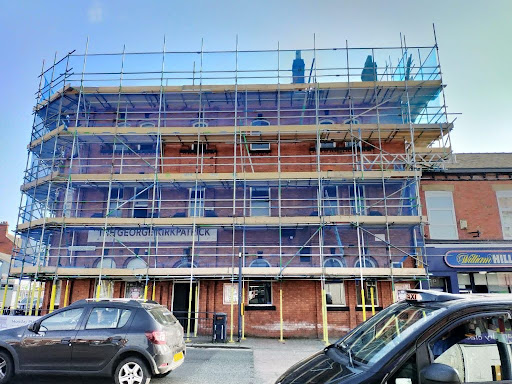
Book Safe Scaffolding Support in Manchester
A scaffold inspection is not just a safety precaution – it’s a fundamental part of spotting risk before it has bigger consequences.
If you take these visual checks seriously, site managers, contractors, and property owners will feel more confident that work at height is being managed safely.
The end result? A safer site, fewer avoidable delays, and, most importantly, your peace of mind that everything is okay before anyone steps onto the structure.
Need safe, reliable scaffolding in Manchester? Contact One 9 Scaffolding today for professional support that helps keep your project moving safely.